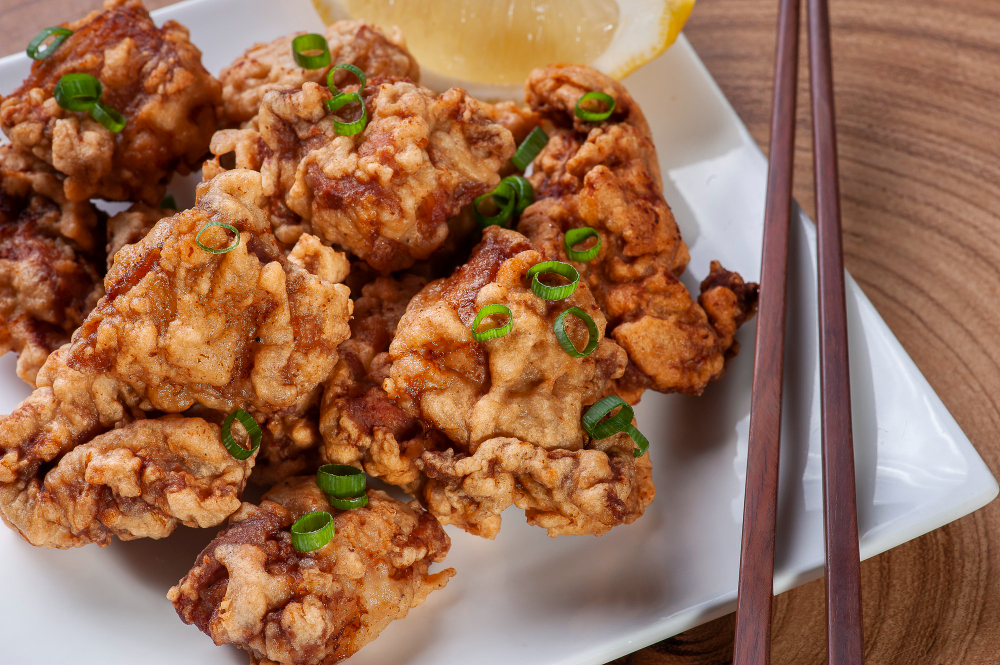
Since ancient times, we have been taught that reddish-colored chicken means it is undercooked. However, the science behind chicken colour tells a different story, providing fascinating insights into meat composition and cooking methods.
This knowledge empowers you to fully appreciate karaage, recognising when a light reddish hue indicates proper cooking technique. Let’s explore the fascinating world of meat science and discover why this colour condition occurs.
What Causes Karaage Chicken to Be Pink?
Several scientific factors contribute to the pink colour of properly cooked karaage chicken, and none of them indicate that the dish is undercooked.
Myoglobin and Meat Colour
Myoglobin, the protein responsible for storing oxygen in muscle tissue, plays a significant role in determining the colour of chicken meat. This protein changes colour based on its oxygen transport conditions and exposure to heat, resulting in a variety of colours ranging from dark red to brown and pink, which is unrelated to the degree of doneness when cooked.
The age of the chicken, how it was fed and slaughtered, the cooking method used, and whether the meat is white or dark, all affect the colour of the meat; therefore, colour cannot be used as a reliable indicator of safety. Young chickens, which are generally sold for consumption, have higher concentrations of myoglobin, allowing them to retain their pink colour even when cooked properly.
The behaviour of myoglobin during cooking depends on the pH level, cooking speed, and heat distribution. Quick cooking methods such as those used in karaage preparation can preserve myoglobin in a form that retains its pink colour, especially in dark meat areas where myoglobin concentrations are naturally higher.
Bone Marrow Pigment (for Bone-In Pieces)
When karaage uses chicken cuts with bones, pigments from the bone marrow are embedded in the meat, colouring it purple and red, creating a very striking pink colour. This phenomenon occurs more frequently in young chickens, whose bones have not yet completely calcified.
In the US, many broiler/fryer chickens are slaughtered at 6 to 8 weeks of age. Their bones have not fully calcified and are very porous, so clear bone marrow can leak out and create a striking colour contrast. This natural process has no impact on the safety or quality of the meat; it is simply a byproduct of using tender, young chickens.
Cooking Methods and pH Influence
The specific cooking method used in karaage preparation can affect the final colour of the meat through changes in pH and heat application patterns. The acidity of the marinade, combined with rapid cooking over high heat, creates conditions that can preserve or alter the myoglobin in a way that maintains its pink colour.
Soy sauce-based marinades, essential for real karaage, contain compounds that can interact with myoglobin and affect the final colour. The fermentation products in soy sauce create complex chemical reactions during cooking that can maintain certain states of myoglobin, particularly in areas of varying heat penetration.
The traditional double-frying technique for karaage can also cause uneven colour. A low-temperature initial frying may not completely denature the myoglobin, whereas a high-temperature second frying focuses on surface crispiness rather than internal colour development.
These cooking factors, combined with natural variations in meat, create the occasional pink karaage that attracts the attention of uninformed diners but actually demonstrates the proper execution of the technique. Understanding this process helps us understand the complexity behind the seemingly simple fried chicken.
Is Pink Karaage Chicken Safe to Eat?
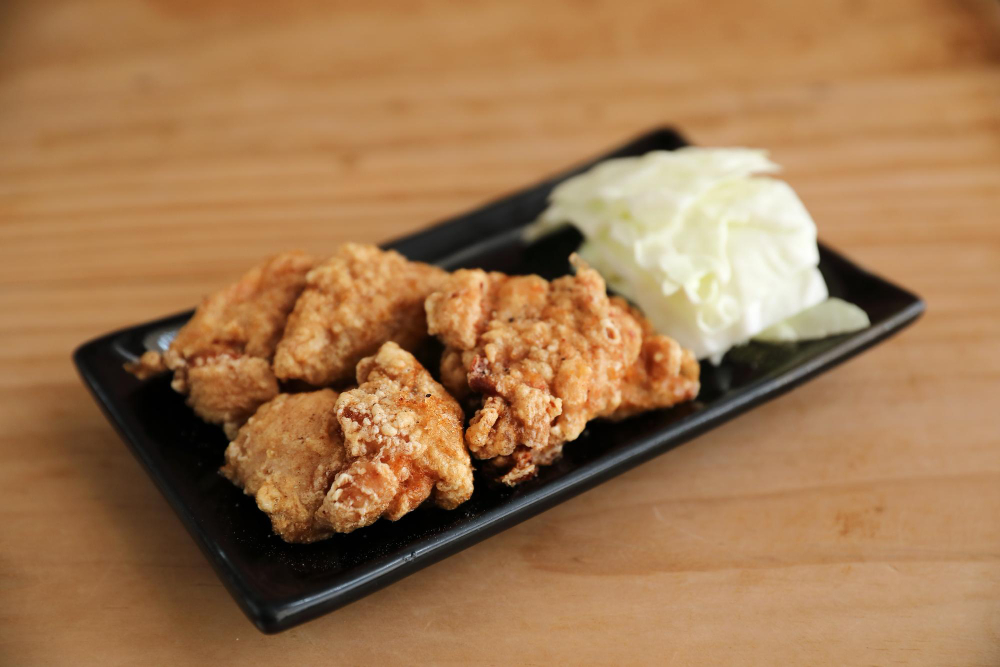
The safety of pink karaage chicken depends entirely on achieving the correct internal temperature, rather than its visual appearance, which requires precise measuring techniques.
Internal Temperature Guidelines
A probe inserted into the thermal centre of a chicken’s breast, leg, or thigh will show a temperature of 165°F (74°C) when it’s time to eat, regardless of any pink colour it may have. This temperature ensures the elimination of harmful bacteria while maintaining optimal texture and taste.
Meat is safe to eat if all parts have reached the safe minimum internal temperature of 165°F as measured with a food thermometer, making temperature measurement the only reliable indicator of safety. Visual cues, including colour, can mislead even experienced cooks due to the complex factors that influence the appearance of meat.
Temperature vs. Visual Cues
Even though we’ve been culturally conditioned to believe that cooked chicken should be white, it turns out that you don’t need to re-cook your chicken just because it’s a bit pink. This cultural conditioning often conflicts with scientific reality, giving rise to unnecessary concerns about the proper and safe preparation of chicken.
Safely cooked poultry can vary in colour from white to pink to brown, indicating that colour variations are normal in properly cooked chicken. The key lies in understanding that temperature, not appearance, determines safety and quality.
Visual assessment can actually mislead the cook into overcooking the chicken to achieve a uniform white colour. This approach often results in dry, less-flavourful meat that unnecessarily sacrifices eating quality for visual suitability.
Tips to Avoid or Manage Excess Pinkness
Use a Meat Thermometer
A reliable meat thermometer eliminates the guesswork and ensures safety and quality in karaage preparation. Meanwhile, digital instant-read thermometers provide accurate readings in seconds, allowing cooks to verify doneness without overcooking.
When using a thermometer for karaage, insert the probe into the thickest part of the most significant piece, avoiding contact with bones, which could give false readings. The internal temperature should reach 165°F (74°C) for immediate consumption; however, some cooks prefer 170°F for those who are sensitive to pink.
Marinate with Acid
Acid seasoning can significantly alter the properties of myoglobin, thereby reducing the likelihood of a pink colour in the finished karaage. Ingredients such as rice vinegar, orange juice, or additional fermented components can enhance this effect while complementing the traditional flavour profile. Acid works by breaking down some of the protein structures before cooking, allowing heat to penetrate more evenly and thoroughly.
However, too much acid can make the chicken too tender, resulting in a mushy texture that detracts from the appeal of the karaage. The key lies in balancing the acidity levels that tone down the pink without sacrificing the firm, satisfying texture that proper karaage should provide.
Traditional Japanese seasonings often contain natural acidic components such as fermented soy products that provide these benefits while maintaining the original flavour profile.
Choose Boneless Cuts if Concerned
Choosing boneless chicken cuts eliminates the issue of bone marrow pigment while simplifying the cooking process and temperature monitoring. Boneless thighs provide optimal results for karaage while eliminating most of the pink problem.
Boneless cuts cook more evenly due to their uniform thickness and the absence of the bone’s heat barrier. This consistent cooking pattern reduces temperature variations that can cause uneven colour while maintaining the juicy and flavorful characteristics that make thigh meat ideal for karaage.
Frequently Asked Questions
How to tell if karaage is cooked?
Use a meat thermometer to verify the internal temperature reaches 165°F (74°C). Properly cooked karaage has a golden brown coating, a firm texture, and clear juices. Trust temperature over colour.
Why is my chicken chewy but not pink?
Chewy chicken indicates overcooking, not undercooking. Excessive heat causes muscle fibres to contract and squeeze out moisture, creating a tough texture regardless of colour. Monitor temperature carefully.
Is karaage chicken raw?
No, properly prepared karaage is fully cooked when served. Pink colouration from myoglobin and bone marrow is natural and safe. Raw chicken feels soft and cool; cooked karaage is firm and hot.
Conclusion
Understanding the science behind pink karaage chicken empowers you to appreciate this beloved dish without unnecessary concerns about safety or quality. The occasional pink hue in properly cooked karaage reflects the natural chemistry of meat, not cooking deficiencies, a testament to the complex beauty hidden within seemingly simple dishes.
The next time you encounter pink karaage, remember that colour tells only part of the story. Temperature, texture, and proper technique determine quality and safety, while slight colour variations remind us of the natural complexity within premium ingredients prepared with traditional methods.
Ready to experience authentic karaage chicken prepared by chefs who understand both traditional techniques and modern food safety? Visit Shoku Japanese Restaurant and taste the difference that knowledge, quality ingredients, and authentic preparation make. Every crispy, juicy bite tells the story of Japanese culinary mastery.