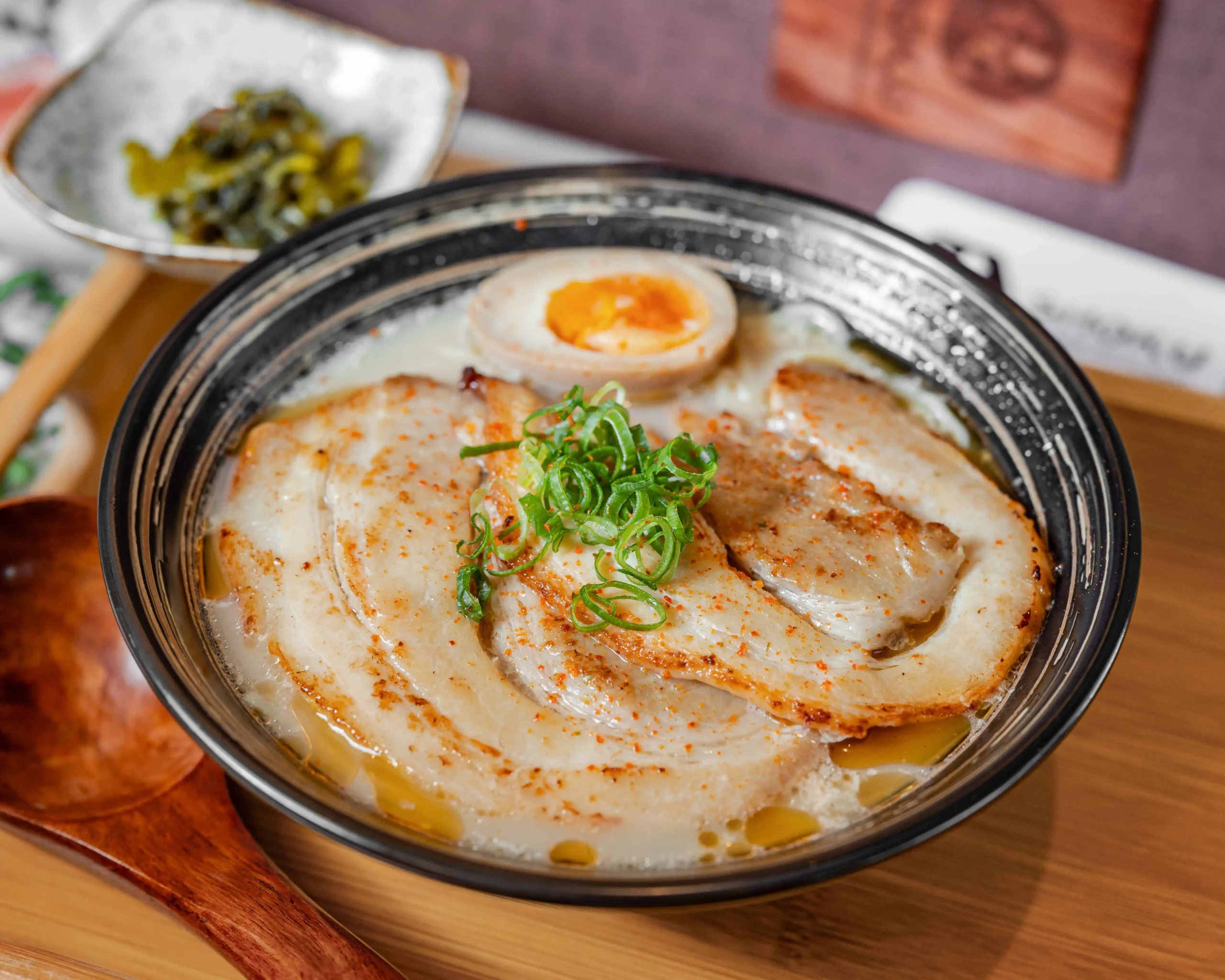

Miso soup is a dish that is always on the menu at Japanese restaurants, making many people wonder what miso is. Miso soup is an appetiser that provides a rich, umami flavour, evoking a sense of warmth and relaxation in those who consume it. It is also suitable for anyone to drink because it tastes very light and provides numerous benefits for the body. For more information about miso soup, read the article, which offers interesting details about this traditional dish.
What exactly is miso soup?

Miso soup is a classic and beloved dish in Japanese cuisine, known for its warm, comforting qualities. What sets miso soup apart is its deep umami flavour, which comes from the fermentation of soybeans in the miso paste. This fermentation process gives Miso soup its distinctive taste, blending salty, earthy, and slightly tangy notes into the broth.
Miso soup ingredients
Although miso soup appears simple and has a light flavour, it is actually a unique combination of ingredients that undergoes a fermentation process. Miso soup uses miso paste as the base ingredient, which is fermented to bring out an authentic and distinctive flavour. In addition to miso paste, other ingredients that help enhance the overall flavour include salt, koji (a type of fungus), tofu, seaweed, and green onions.
These ingredients add a salty and earthy taste to the soup. It also uses dashi as the base soup, a typical Japanese ingredient often used in Japanese dishes, made from dried bonito flakes. Based on the ingredients, it primarily uses plant-based ingredients, which means consuming it provides the body with nutritional benefits.
6 common types of Miso

When it comes to miso soup, not all miso pastes are the same. There are several types of Miso, each offering different flavours and characteristics.
- White Miso (Shiro Miso): Known for its light colour and sweeter, milder taste. It’s often used in soups for a more delicate flavour.
- Red Miso (also known as Miso): This variety has a darker colour and a richer, more robust taste. It’s more fermented than white Miso, giving it a deeper umami flavour.
- Yellow Miso (Shinshu Miso): A slightly milder version of red Miso, yellow Miso offers a balance between sweetness and saltiness.
- Barley Miso (Mugi Miso): Made with barley, this type of Miso has a hearty flavour that is both nutty and tangy.
- Soybean Miso (Hatcho Miso): Known for its deep, intense flavour, this Miso is made with a higher percentage of soybeans and is often used in heartier, richer dishes.
- Sweet Miso (Amasake Miso): A variation that combines Miso with sweet rice, giving it a pleasant, sweet taste, often used in desserts or lighter soups
Each type of Miso offers a unique flavour experience, and when preparing miso soup, you can choose the one that best suits your taste preferences.
What does miso soup taste like?
Miso soup has a light flavour and does not leave a greasy aftertaste, making it a great appetiser when dining in Japan. The ingredients, which feature typical Japanese elements such as a combination of dashi and Miso, also set it apart from usual soups, offering a new flavour for a unique culinary experience. Moreover, it brings a delicate, fresh yet rich umami flavour, making it savoury without being overpowering. If you prefer foods with milder flavours, miso soup is a must-try!
Is miso soup good for you?
Not only does it provide an authentic, savoury, and soothing taste, but miso soup also offers numerous nutritional benefits when consumed. It can help boost your immune system by containing antioxidants, improve your gut health with prebiotics and probiotics, and supply your body with many essential vitamins, such as B12. To gain even more benefits, you can add other ingredients like tofu or fish, which contain plant-based protein and essential minerals. However, it’s important to note that Miso can be high in sodium, so it’s best enjoyed in moderation.
Frequently Asked Questions
What exactly is Miso?
Miso is a traditional Japanese ingredient made by fermenting soybeans with salt and a specific type of fungus known as koji. This fermentation process produces a rich, umami-packed paste used in various dishes, including soups, sauces, and marinades. It comes in several varieties, ranging from sweet and mild to bold and salty, each offering a distinct flavour profile.
Is Miso good for weight loss?
Miso can be a helpful addition to a weight-loss diet, as it’s low in calories and high in protein, especially when paired with tofu. It’s also packed with probiotics, which can aid digestion and improve gut health. However, due to its salt content, it’s important to consume Miso in moderation to avoid excessive sodium intake.
Is miso soup simply made with miso paste and hot water?
While miso soup is based on miso paste and hot water, it’s not quite that simple. The soup also contains dashi, a traditional Japanese stock made from ingredients like seaweed and dried fish. This dashi gives Miso soup its distinctive umami flavour, elevating the dish beyond just Miso paste and water. Additional ingredients, such as tofu, seaweed, and green onions, are typically added for texture and flavour.
Conclusion
Miso soup is a delicious, healthy, and versatile dish that’s become a beloved part of Japanese cuisine. Whether you’re enjoying a light bowl as a starter or a hearty version for a meal, its umami-rich flavour and comforting warmth make it a perfect choice. Experiment with different types of Miso to find the one that best suits your taste, and don’t forget to enjoy it as part of a balanced diet.
Ready to explore more about Japanese food? Check out Shoku Japanese Restaurant for all things delicious!