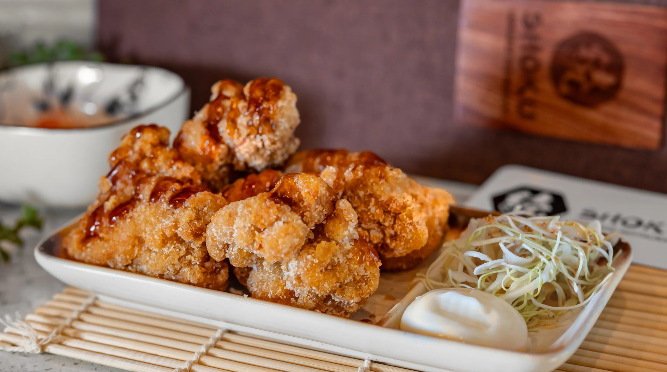
Karaage chicken is one of the most beloved dishes among Shoku’s customers. This dish is not just fried chicken; it is a form of culinary art that transforms simple ingredients into something extraordinary through patience, precision, and respect for tradition.
Whether you are a longtime fan of Japanese cuisine or just beginning your culinary journey, understanding karaage opens a window into the soulful essence of Japanese cuisine. Let’s explore what makes this crispy and juicy delicacy so special and why it deserves to be on every food lover’s must-try list.
What Is Karaage Chicken?
Chicken karaage, pronounced “kah-rah-ah-geh,” is a traditional Japanese cooking technique. This dish consists of bite-sized pieces of chicken, usually from juicy thigh meat, which are marinated in a savoury Japanese spice mixture, lightly coated with flour, and deep-fried in hot oil until perfectly golden brown. The result? A harmonious contrast between an unmatched crispy exterior and tender, juicy meat inside.
What sets karaage apart from other fried chicken variations is its foundation rooted in Japanese culinary philosophy. Rather than relying on a flour coating for flavour, karaage derives its character from carefully crafted marinade seasonings that permeate deep into the meat. This technique, perfected over generations, ensures that every bite delivers a rich layer of umami satisfaction.
What is the Difference Between Karaage and Fried Chicken?
Although karaage resembles Western fried chicken, there are several notable differences. First, it lies in the preparation method that gives karaage its unique character. Traditional fried chicken generally gets its flavour from the seasoning or sauce after cooking, while the distinctive taste of karaage comes from the marinade.
The coating technique is also very different. Western fried chicken often uses a thick flour batter or breadcrumb coating that creates a dense outer layer. Karaage, on the other hand, uses a light dusting of flour, usually potato flour, corn flour, or rice flour, which forms a crispy and smooth outer layer without overpowering the natural flavour of the meat.
What's the Difference Between Chicken Katsu and Karaage?
Chicken katsu follows a Western-influenced preparation method that was popular during Japan’s Meiji era. This dish uses chicken breast that is pounded flat, coated with flour, egg, and panko breadcrumbs, then deep-fried in hot oil until browned. Karaage, on the other hand, uses chicken thighs and is coated with flour or starch, then deep-fried in hot oil.
The difference in texture is immediately apparent. Katsu has a thick, crispy coating, which contrasts with the tender chicken inside. The panko breadcrumbs create air pockets, making the coating light and crispy, while the flattened chicken breast cooks evenly and remains moist.
Karaage takes a more subtle approach. The thin flour coating allows the natural flavour of the marinated chicken to shine through. The uneven, dimpled surface created by the flour coating initially holds more oil, but draining it off during proper cooking can result in a light, crisp texture.
Additionally, the serving style is quite different. Chicken katsu is typically served in large portions, often accompanied by rice, shredded cabbage, and a special sauce known as tonkatsu sauce. Meanwhile, the small size of karaage makes it perfect for sharing, whether as an appetiser at an izakaya, a component of a bento box, or a casual snack with friends over drinks.
What Makes Karaage Chicken Unique?
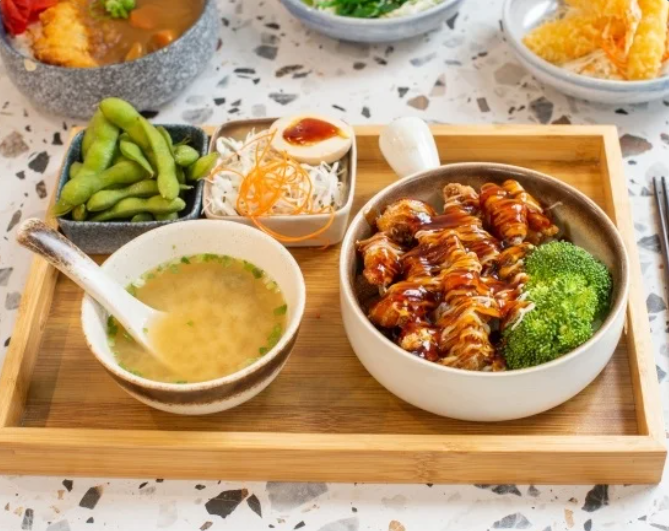
The uniqueness of karaage lies in the three techniques used. Here are the methods in question.
The Marinade
The first step in making karaage chicken is the marinating process, where chicken pieces are soaked in a savoury spice mixture that usually consists of soy sauce, ginger, garlic, and sometimes mirin or sake. Marinating has several functions, namely tenderising the meat through the gentle action of acid, infusing it with a deep umami flavour, and preparing the protein structure for optimal cooking.
The marinating process requires patience, at least 30 minutes, but yields better results when done overnight. This time allows the flavours to penetrate the entire piece of meat, rather than just coating the surface.
The Starch Coating
After marinating, the chicken pieces are coated with a thin layer of flour, typically made from potato or corn flour, which creates a light and crispy texture without overpowering the marinade flavour.
The coating technique is just as important as the choice of ingredients. Instead of creating a smooth and uniform surface, the proper karaage coating embraces imperfections. The flour is worked into the natural crevices and surfaces of the chicken, creating a wrinkled and uneven coating that provides more surface area for crispiness and creates a varied texture in each piece.
Double-Frying Technique
The secret to perfect karaage lies in the double-frying process. First, fry at a low temperature of around 160°C (320°F) to cook thoroughly, followed by a resting period, then fry a second time at a higher temperature of around 190°C (375°F) to achieve maximum crispiness. This technique requires precision, but produces results that are impossible to achieve with a single frying method.
The first frying serves as a base, ensuring the chicken cooks evenly while starting the drying process. The low temperature prevents the outer layer from browning too quickly while allowing the inside to reach perfect doneness. This stage also forms the structure of the coating, preparing it for the final drying phase.
The rest period between frying allows moisture to redistribute within the meat and partially cool the outer layer. This step is crucial to prevent overcooking during the second fry while ensuring the coating achieves maximum crispiness without burning.
The second fry transforms ordinary karaage into something extraordinary. The higher temperature quickly crisps the coating to a perfect golden brown while locking in the juices. The timing must be precise, as too short a time will leave the coating soft, while too long a time will dry out the meat.
Types of Karaage
Karaage Thigh (Momo)
Karaage thigh (momo) remains the gold standard for most Japanese chefs. Its higher fat content ensures moisture even after double frying, while the natural flavour of the meat provides the ideal canvas for marinade absorption. The irregular shape of the thigh pieces creates a varied texture in the flour coating, making each bite a unique experience.
Karaage Tebasaki
Karaage tebasaki (wings) offer a different pleasure from Karaage Thigh. The ratio of skin to meat results in a very crispy finish, while the bones add flavour during the cooking process. Wings require a slightly different cooking time due to their shape and size, but when done right, they provide one of the most satisfying eating experiences in the karaage family.
Tatsuta Age
Tatsuta age is a unique cooking style in which chicken is marinated in soy sauce and then coated only with potato starch, resulting in a reddish-brown interior and a crispy, white exterior.
The preparation process follows the traditional karaage method, but with certain ingredient restrictions in place. The soy sauce seasoning must be dominant enough to create the characteristic colour, while potato starch remains the exclusive coating of choice. These restrictions may seem limiting, but they actually highlight the purity of this technique.
Hokkaido-style Karaage: Zangi
Hokkaido has its own specialty dish called zangi, which is made from chicken marinated in a sweet sauce, and the process of making it may include eggs in the flour mixture. This variation demonstrates how local tastes and available ingredients can give rise to a distinctive interpretation of a classic technique. The addition of eggs to the coating creates a different texture, slightly denser than traditional karaage, but with an interesting characteristic.
How to Enjoy Karaage Chicken
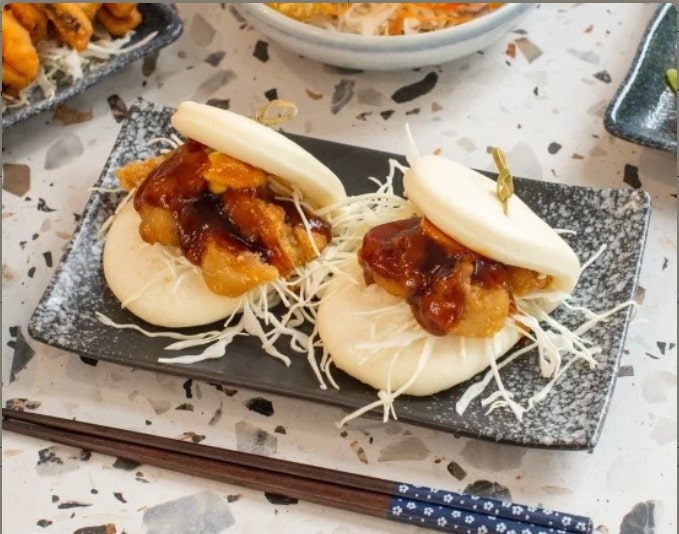
The diversity of karaage extends not only to its preparation but also to how you enjoy it, which can significantly impact the overall dining experience.
With Rice and Pickles
Karaage is traditionally served with white rice and pickles, where the simple white rice balances the rich flavour of karaage. In contrast, the pickles add an acidity that enriches the taste of the fried chicken.
The rice serves not only as a complement but also provides a neutral base that allows the complex flavours of karaage to shine without competition. Its subtle sweetness and soft texture create the perfect contrast to the chicken’s crispy coating and savoury seasoning. This combination also aids digestion, as the rice helps absorb oil while providing a satisfying source of carbohydrates.
Japanese pickles (tsukemono) complete this traditional trio by adding bright acidity and a crunchy texture. Whether it’s sour daikon radish pickles, cucumber pickles, or cabbage pickles, these accompaniments cleanse the palate between bites and prevent flavour fatigue. The fermentation process in many pickles also aids digestion, making the entire meal more comfortable and satisfying.
On Its Own with Lemon Wedges
One of the simplest and most popular ways to enjoy karaage is with fresh lemon juice, where the citrus acidity balances the richness of the fried chicken while adding a refreshing tang.
Lemon serves a dual purpose beyond simply enhancing flavour. Citric acid helps break down fats on the tongue, preventing the heaviness that sometimes accompanies fried foods. Its fresh, clean taste also highlights the umami components of the marinade, creating a more complex flavour experience than if the two elements were served separately.
This serving style is perfect for karaage as an appetiser or snack. The clean, fresh taste encourages you to keep eating without overwhelming the palate, making it ideal for sharing with friends or pairing with beer or Japanese sake.
Paired with Japanese Mayonnaise
Japanese mayonnaise offers a creamier and slightly more acidic alternative to standard mayonnaise, complementing the crispiness of karaage while adding a rich and smooth texture. This combination is gaining popularity both in Japan and internationally, reflecting modern Japanese taste preferences.
Japanese mayonnaise differs significantly from Western varieties. Brands such as Kewpie use only egg yolks rather than whole eggs, creating a more decadent and more luxurious texture. The addition of rice vinegar, rather than distilled vinegar, provides a subtle sweetness and a more complex acidity.
As a Sandwich or Wrap
The key to a successful karaage sandwich lies in striking a balance between texture and flavour. Fresh vegetables such as lettuce, cucumber, or cabbage provide a crisp contrast to the tender chicken, while the right sauce bridges the Japanese and Western flavour profiles. Some recipes use Japanese mayonnaise, while others incorporate variations of teriyaki or spicy mayonnaise.
In a Karaage Donburi (Rice Bowl)
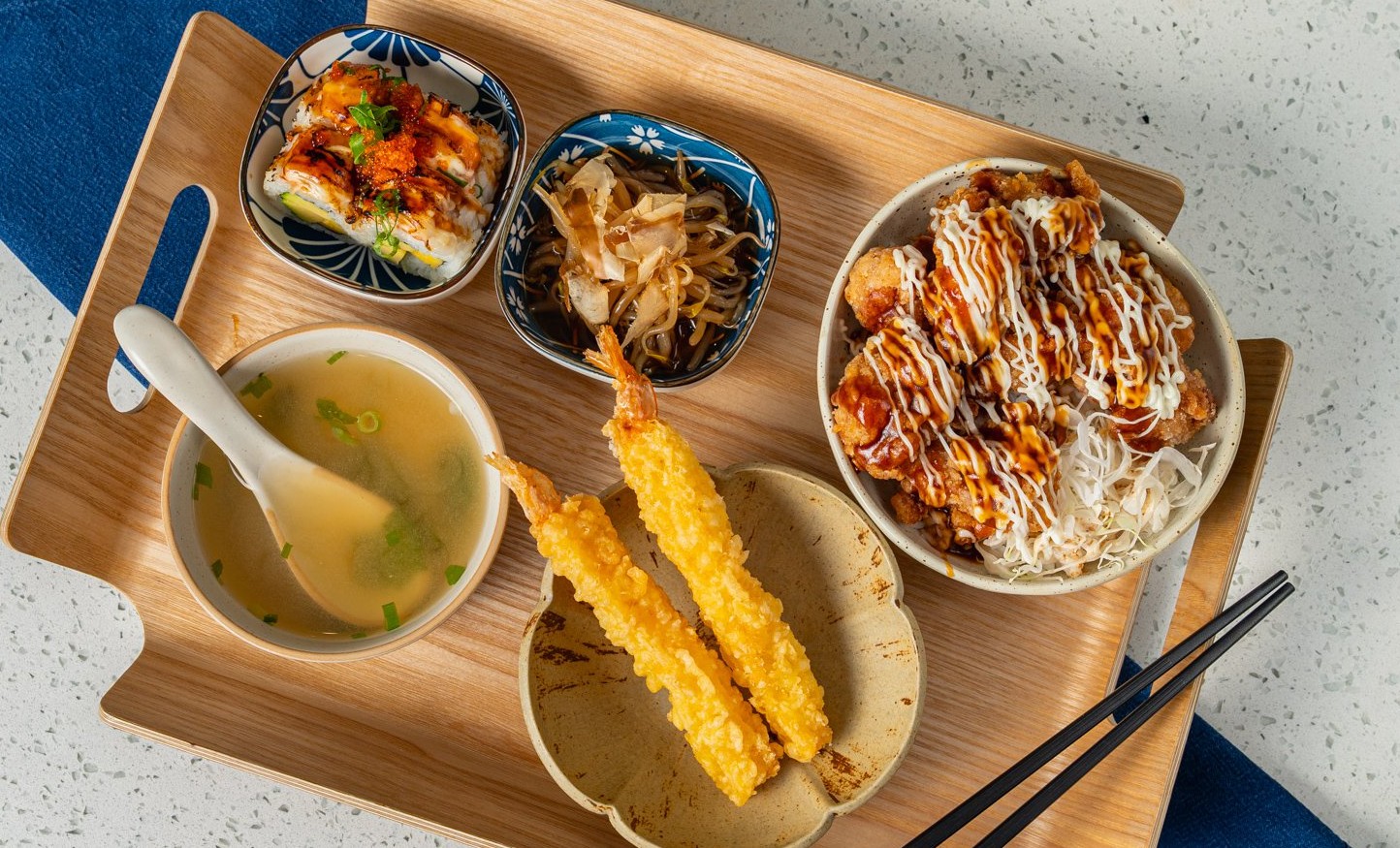
Karaage donburi features fried chicken served over steamed rice, often garnished with green onions, sesame seeds, and occasionally accompanied by teriyaki sauce or soy sauce, making it a complete meal. This presentation transforms karaage from an appetiser into a satisfying main course.
The warm rice provides a solid base that absorbs the flavors of the chicken, while offering a textural contrast. Additional garnishes such as green onions add freshness and colour, while sesame seeds provide a nutty flavour and visual appeal.
Frequently Asked Questions
What is special about karaage?
Karaage is a Japanese cooking style where bite-sized pieces of meat, often chicken, are marinated in a mixture of soy sauce, garlic, and ginger, then coated in starch and deep-fried, resulting in a juicy interior and a crispy exterior.
What sauce goes on karaage chicken?
Traditional karaage often does not require any additional sauce other than fresh lemon juice, as the marinade already provides a complete flavour. However, several accompaniments have become popular both in Japan and internationally, each offering a different flavour profile and dining experience. These include Japanese mayonnaise or teriyaki sauce.
What type of chicken is best for karaage?
Chicken thigh meat is the most preferred cut for karaage because it stays moist and juicy during the double-frying process, although chicken breast can be used for those who prefer a lower-fat option. This choice has a significant impact on the cooking method and the overall dining experience.
Conclusion
Karaage chicken represents everything we value in authentic Japanese cuisine: respect for ingredients, skill in technique, and the transformation of simple ingredients into something extraordinary. Through careful marinating, precise cooking, and thoughtful presentation, this beloved dish demonstrates how traditional Japanese cooking principles create flavours and textures that satisfy both body and soul.
Ready to experience authentic karaage chicken prepared with traditional techniques and premium ingredients? Visit Shoku Japanese Restaurant and discover why our guests find our karaage unforgettable. Taste the difference made by authentic preparation; your palate will thank you.