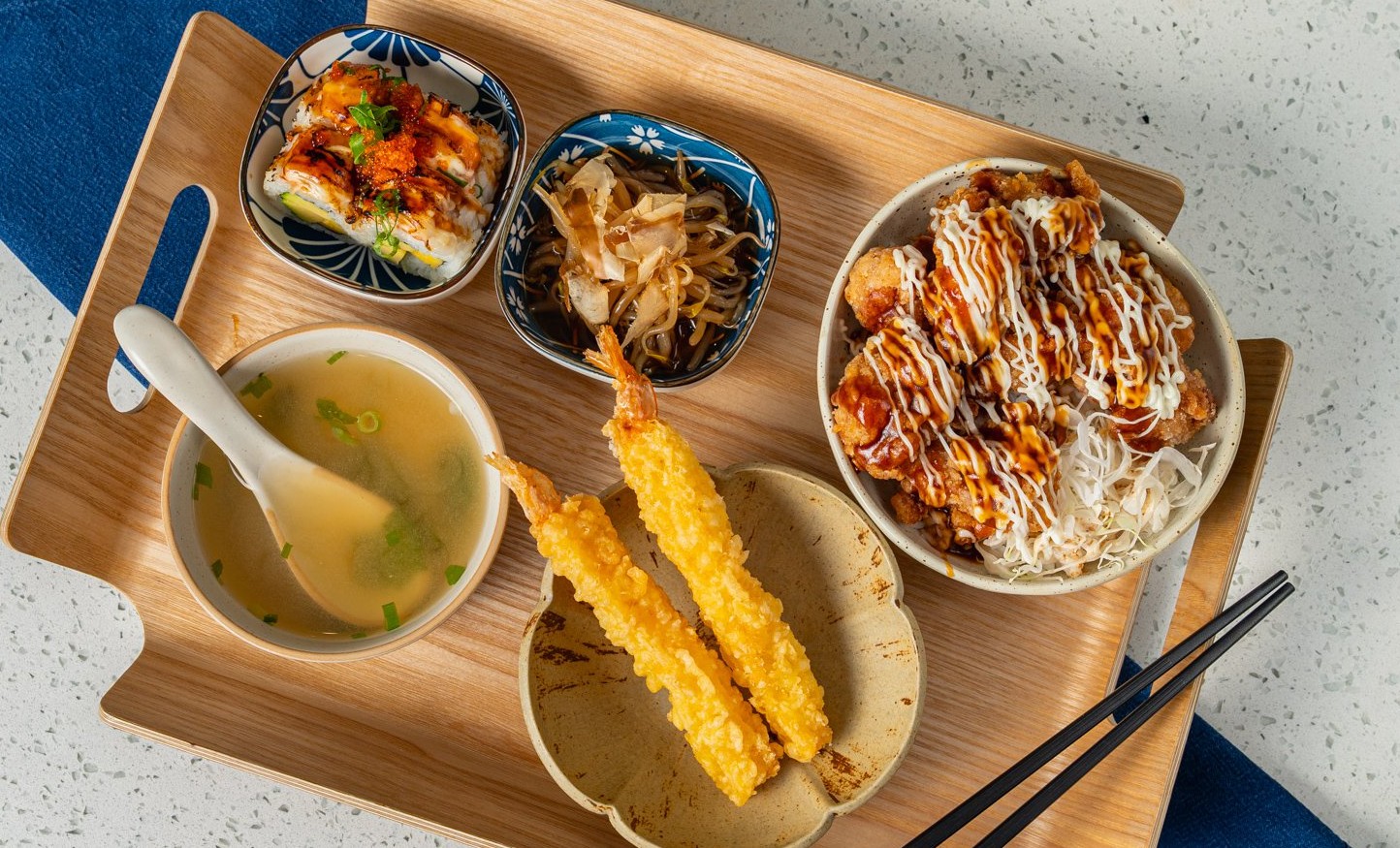
If you are bored with uncreative lunches that lack variety, you should definitely switch to various Japanese bento ideas. Not only does it offer a variety of foods containing many essential nutrients, but you can also enjoy rich and delicious flavours. However, the advantage of bento boxes is that they are quick to prepare and suitable for various occasions, such as lunch for your family at school or work, or even impressing your friends at a picnic. Discover more about Japanese bento ideas bento and the popular types to create diverse Japanese bento boxes for your loved ones.
What Is Bento?
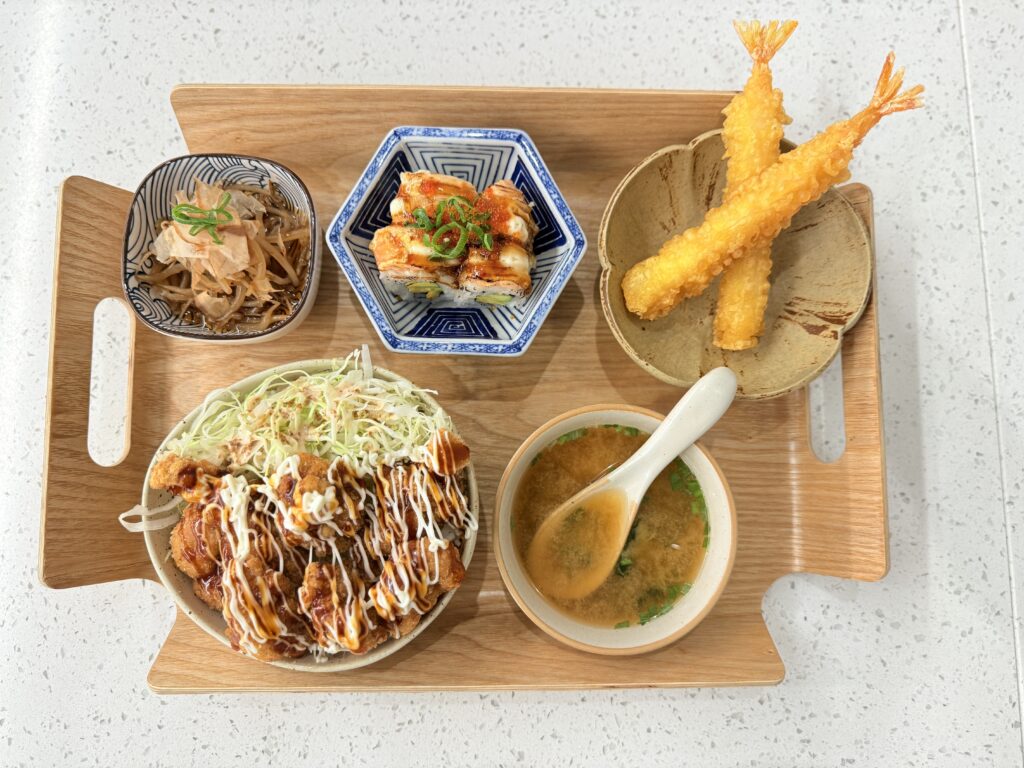
Bento is a traditional Japanese food served in a box-shaped container and is a single-portion packaged meal. It’s appealing not only because it offers many diverse dishes, but also because it’s a healthy meal option that is very safe to consume anytime. Many people have grown to love it with the same passion they have for Japanese ramen.
Usually, bento is a combination of rice, vegetables, and pickled items to make it more balanced. Whether it’s a quick homemade lunch or a stylish way to present food, many Japanese bento ideas have been a staple of Japanese culture for centuries.
The History of Bento
Bento has a rich history that dates back over a thousand years. The earliest records of bento trace back to the Heian period (794-1185), when people began packing simple meals of rice and dried fish in boxes. During this time, bento was mainly used by travellers and soldiers to carry food on long journeys or during battles.
In the 20th century, the bento box grew in popularity across Japan and began to reflect modern trends. Commercial bento boxes, filled with convenience foods, appeared in shops, and new varieties, such as character-based bento, became popular with children. Today, bento has become a symbol of Japanese culture and continues to evolve, embracing new ingredients and presentation styles while maintaining its traditional values of health and convenience.
What is Inside a Japanese Bento Box?
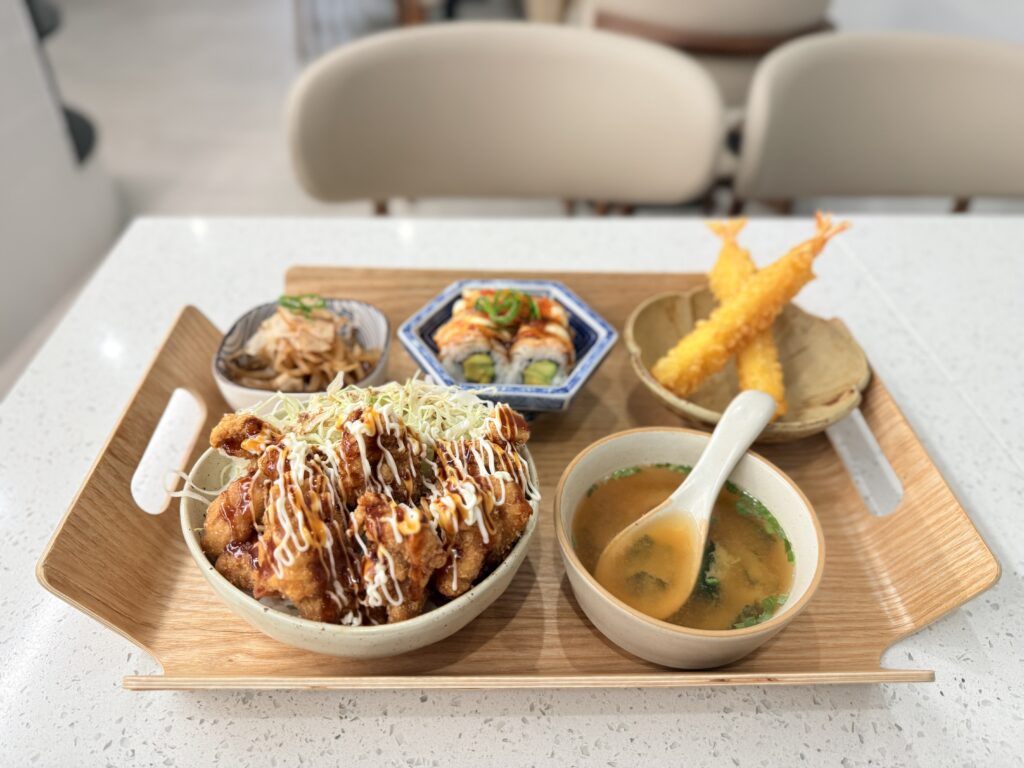
Japanese bento boxes usually contain rice, vegetables, and fish or meat to add variety, creating a flavourful lunch. However, as bento is constantly evolving and developing new types, the side dishes and ingredients used in bento boxes can vary. You can add pork or chicken as the main meat, a variety of vegetables, or even noodles to the bento box. A bento box may also include items such as tamagoyaki (Japanese omelette), pickles, and small portions of seasonal fruit. Therefore, Japanese bento boxes always give you the chance to be creative and make dishes that suit your preferences.
What are The Main Types of Japanese Bento?
Hinomaru Bento
The Hinomaru bento is a simple bento style, usually consisting of a round of white rice with a single piece of red pickled plum (umeboshi) placed in the centre. It is often considered a traditional, symbolic bento that represents the colours of the Japanese flag: red and white. It’s usually packed for school lunches or festivals, representing national pride.
Marukonouchi Bento
Marukonouchi bento is one of the traditional Japanese bento boxes once enjoyed during lunch breaks in Tokyo’s business district. Nowadays, marukonouchi bento remains a beloved lunchtime option enjoyed by many people. In fact, it is one of the most popular bento boxes sold in convenience stores, train stations, and department stores in Japan. It typically consists of a variety of smaller portions, offering a little bit of everything from rice, protein, and vegetables.
Noriben
Noriben is a combination of rice and nori (seaweed) that gives every bite a savoury, umami flavour. This type of bento is suitable for people who prefer rich, bold, and salty flavours. Usually, the mixed rice is combined with grilled meats or fish, making it a hearty meal with subtle flavours.
Ekiben Bento
Ekiben bento is special because it is sold at train stations throughout Japan and is specifically designed to be eaten while travelling. These bento boxes often include regional specialties, showcasing the unique food culture of different areas. Ekiben is not just a meal; it is an experience that highlights the finest ingredients and culinary traditions from Japan’s diverse regions.
Kyaraben
Kyaraben is a type of bento box that is ideal for children’s meals, often used for school lunches or special occasions. This type of bento is a “character bento,” meaning it is a creative bento in which the food is shaped like animals, popular characters, or other imaginative forms. Kyaraben not only increases children’s appetite but also provides a healthy dose of nutrients from diverse ingredients.
Japanese Bento Ideas
Japanese Chicken Teriyaki
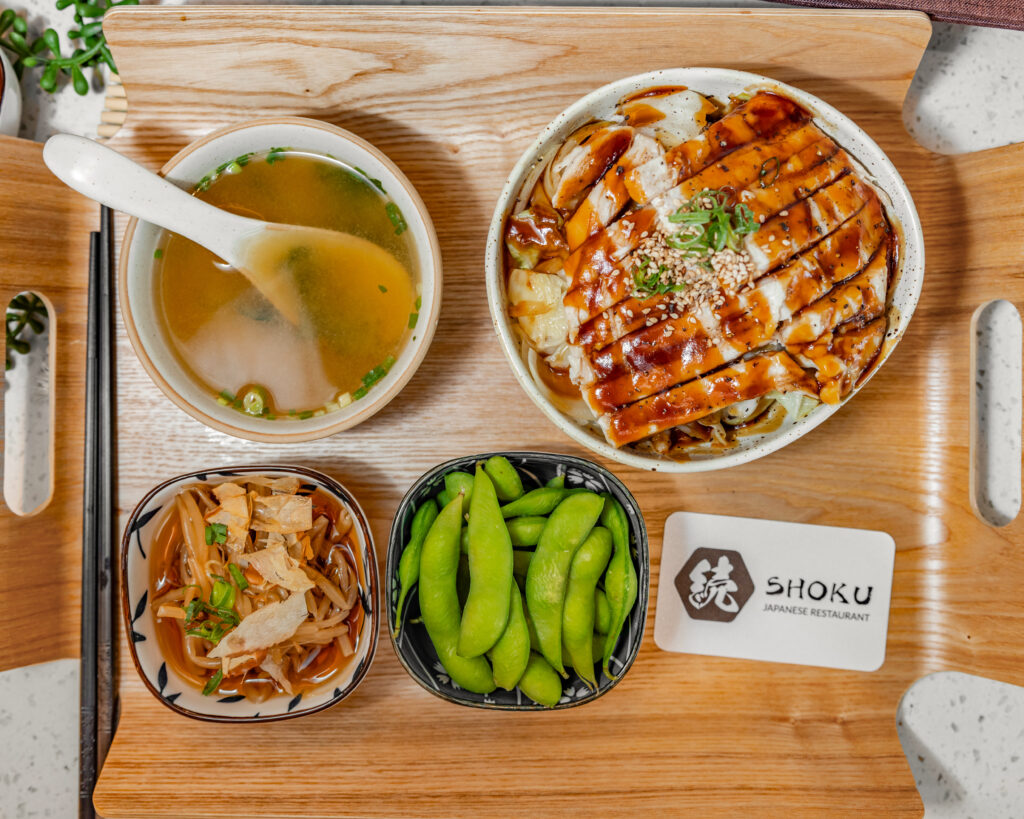
Japanese chicken teriyaki could be one of the most popular bento box options because it offers a sweet-and-savoury flavour from teriyaki sauce, which many people love. You can serve chicken with teriyaki sauce, steamed vegetables, a small portion of pickled vegetables, and steamed rice to create a well-balanced meal. It is a suitable option for both adults and children.
Japanese Pork Cutlet
A classic Japanese dish, tonkatsu (pork cutlet), is another excellent addition to a bento box. The crispy breaded pork cutlet is usually served with rice, shredded cabbage, and a drizzle of tonkatsu sauce. It’s a satisfying meal that’s both filling and delicious, perfect for a hearty bento.
Zucchini Noodle Caprese and Baked Chicken
Japanese bento boxes don’t always offer rich, bold flavours; several options offer lighter flavours while also packing important nutrients for your body. For example, zucchini noodle caprese and baked chicken provide a healthy lunch option and have fewer calories than other bento options, making them a good choice for weight loss. Moreover, it is a satisfying option because the baked chicken adds protein, and the caprese gives a burst of flavour.
Tuna Salad Sandwich and Melon Salad
If you prefer a fresh, refreshing lunch, a tuna salad sandwich and melon salad could be the best option. Tuna salad and melon salad are both made with clean ingredients, making them very healthy food options. They offer a pack of nutrients such as fat, carbs, protein, and vitamins to give you an energy boost for your daily activities.
Frequently Asked Questions
What is the 4 3 2 1 rule for bento boxes?
The 4-3-2-1 rule is a handy guide for creating a well-balanced bento box. It suggests allocating 4 parts to carbohydrates (like rice or noodles), 3 parts to protein (meats like chicken, pork, or fish), 2 parts to vegetables for added fibre and nutrients, and 1 part to fruit or pickles for freshness and acidity. The 4-3-2-1 rule is a simple guide for packing a balanced bento box.
What is a common side dish in a bento?
A common side dish in a bento is tamagoyaki, which is a sweet, savoury rolled omelette that pairs well with rice. Other popular sides include pickled vegetables, such as pickled radishes or umeboshi (pickled plums), which add a tangy contrast to the various dishes.
What are some common bento box mistakes?
One common mistake is overcrowding the bento box, which can cause the food to become soggy or lose its shape. Another issue is an imbalance in food groups, which can lead to a lack of nutritional variety.
Conclusion
Bento boxes are a great way to enjoy a healthy, balanced meal while also showcasing your creativity. With a wide variety of options available, from traditional Hinomaru to playful Kyaraben, there is a bento style to suit everyone’s preferences. Whether you want to impress your friends with delicious meals or enjoy a convenient lunch, there are endless Japanese bento ideas to suit your taste.
If you’re craving a delicious and authentic Japanese bento box, head over to Shoku Japanese Restaurant! Enjoy a variety of beautifully crafted bento boxes, made with fresh ingredients and traditional flavours.