You may have wondered why ramen has become such a popular food enjoyed by many people worldwide, not just in Japan. In fact, the authentic taste of ramen, which cannot be found in other types of dishes, gives it a distinctive flavour and makes it a comfort food for all occasions. However, Japanese ramen has many other reasons for holding a special place in Japanese culinary culture.
What Is Ramen?
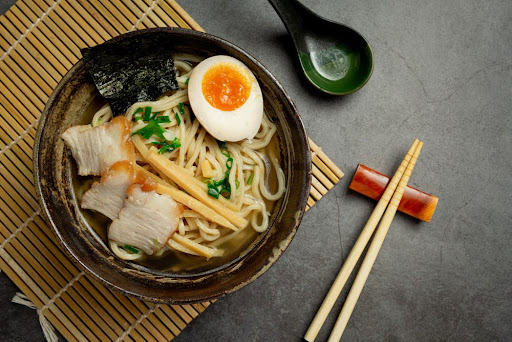
Ramen is a Japanese noodle soup that comes in many variations, making it versatile and suitable for a wide range of preferences and tastes. What gives ramen its authentic taste is the way it is made and its ingredients, which include five elements: noodles, soup, tare, aroma oil, and various toppings.
Each element also has different characteristics, such as the soup, which uses boiling bones or meat for hours, noodles that use kansui, tare as a sauce that provides saltiness and umami, and toppings that enhance the overall flavour. All the ingredients provide the best balance and are loved by both the Japanese and people worldwide.
Where Did Ramen Come From?
The origins of ramen are often debated, but it’s widely believed that ramen was introduced to Japan from China in the late 19th or early 20th century. Initially, it was a street food dish, typically served in stalls or small restaurants. By the 1950s, following World War II, ramen began to gain widespread popularity in Japan, thanks to the increased availability of inexpensive wheat flour and other ingredients. From there, it evolved into numerous regional variations, each adding its own unique spin to the dish. Despite its Chinese roots, ramen has firmly established itself as a beloved part of Japanese cuisine.
The Evolution of Ramen
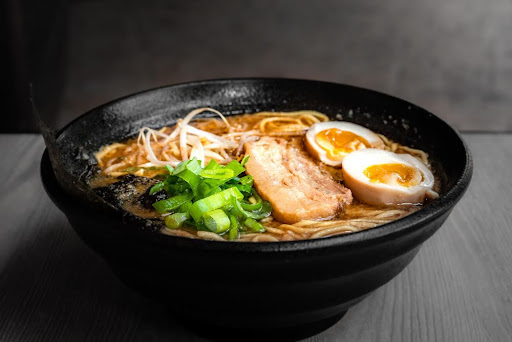
Sapporo
Ramen is a food with endless variations, and this also applies to ramen from Sapporo. Because it is located in Hokkaido, which has an icy climate, this has led to the creation of a unique style of ramen that offers rich and hearty miso ramen. Not only does it provide warmth because of its savoury soup, but it is also a type of ramen that is light and very healthy.
Kitakata
If miso soup from Sapporo seems light and more soothing, Kitakata, which comes from Fukushima, offers more flavourful ramen using soy sauce. The soy sauce-based ramen, featuring flat, wide noodles, gives it a distinct texture and makes it one of the most popular types of ramen among many people. You can pair this soy sauce ramen with chasu (braised pork) or menma (bamboo shoots), which complement the soy sauce flavour very well.
Okinawa
Offering a simple and unique type of ramen, Okinawa ramen is a type of ramen that suits those who prefer a lighter taste. It uses pork and a clear, simple broth, which is then combined with a boiled egg and green onion, making it a simple and homemade ramen option. Even though it is light and plain, ramen from Okinawa still has a rich and flavourful taste.
Ramen Broth Styles
Shio (salt)
One of the most important ingredients for making a ramen broth with depth of flavour is shio (salt). Shio ramen is really known for its delicate and refreshing taste. Many people believe that the broth in shio ramen is the most reminiscent of the traditional type of ramen, due to its light yet authentic taste.
Miso
Miso also offers a heartier style of ramen, which provides a light broth. The broth is made from miso paste, which gives it a rich flavour and warmth, making it the best type of ramen to eat when the weather is cold. Generally, many people use butter, corn, and vegetables as the best toppings for miso broth.
Shoyu (Soy Sauce)
Soy sauce adds a new flavour to ramen, making shoyu ramen a menu item that offers a new experience for many people. It is also one of the most common styles in Japan due to its savoury, sweet, and salty options of ramen. Moreover, it also goes well with vegetables or even fish to round out the flavour.
Tonkotsu
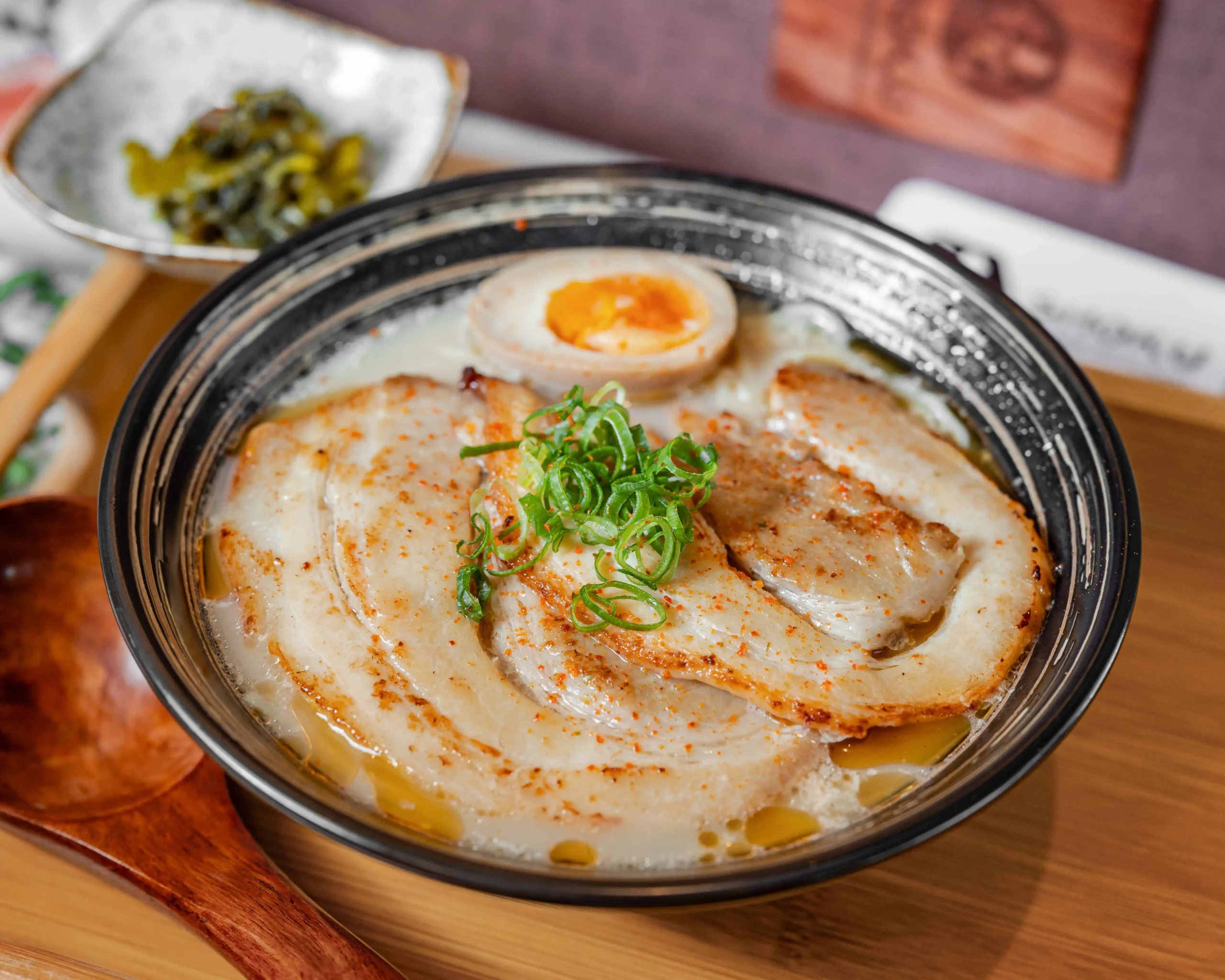
Unlike the previous types of ramen, which offer a lighter broth, tonkotsu ramen offers a rich, creamy broth made from simmering pork bones for hours. This process allows the collagen and fat to infuse into the soup, often resulting in a dense and creamy texture. Tonkotsu ramen is renowned for its rich and intense flavour, making it a favourite among those who appreciate a full-bodied broth.
Ramen Noodles
Ramen noodles are typically made from wheat flour, salt, water, and kansui (an alkaline mineral water). The noodles come in a variety of shapes and textures, ranging from thin and curly to thick and straight, each suited to different types of broths. The texture of the noodles is a key factor in determining the quality of ramen, as it must hold up well in the hot broth while offering a perfect bite. Ramen noodles can be slightly chewy or soft, depending on the length of time they are cooked. The variety of noodles used in different ramen styles is part of what makes the dish so versatile.
Ramen Toppings
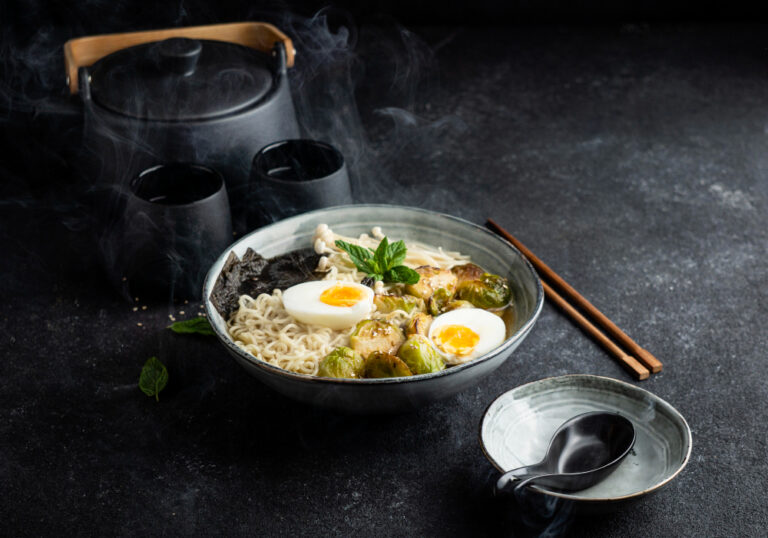
Chashu
Chashu is a very common topping found in many ramen dishes. It is made from pork belly that has been slow-cooked to achieve a tender and soft texture, giving the ramen a richer flavour, texture, and appealing appearance. Moreover, the melt-in-your-mouth texture of the chashu adds a satisfying element to the dish, making it a favourite for many ramen lovers.
Kamaboko
To achieve a distinct and unique ramen flavour, some ramen recipes incorporate kamaboko to add texture and a subtle fish flavour. Kamaboko is a fish cake made from ground fish such as cod and steamed or boiled to achieve a soft texture. However, the best combination for kamaboko is with other ingredients such as green onions and eggs.
Tamago
Almost always found as a topping in every ramen, tamago or soft-boiled eggs are one of the toppings that make your ramen feel and taste more perfect. With its very soft texture and added texture, it makes the ramen creamier in contrast to the savoury broth. To get a deeper and richer flavour, the eggs are often marinated first with soy sauce.
Nori
Not just a topping, nori is usually an important element for a complete ramen. It is one of the toppings that pairs well with most types of ramen due to its versatile taste, and adds a briny flavour to the dish. Its light texture complements the hearty noodles and rich broth, making it a topping that provides balance and flavour to ramen.
Menma
To make ramen feel more authentic with umami flavour, menma, or fermented bamboo shoots, is one of the most suitable toppings. In addition to providing umami and tangy flavours, it also has a crunchy texture, so eating ramen with menma can give you a new experience. Menma can be found in various styles of ramen, but it is generally a topping for soy-based ramen broths.
Corn
Corn is a topping that goes very well with miso ramen, especially in regions like Sapporo. The addition of corn to ramen enhances the flavour, nutritional value, and texture. Moreover, the sweetness of the corn and the saltiness of the miso soup broth create a good and delightful balance.
When Did Instant Ramen Originate?
Instant ramen was first introduced in 1958 by Momofuku Ando, the founder of Nissin Foods. The idea came to him after observing the long lines of people waiting for hot ramen at a street stall, particularly after World War II, when food shortages were prevalent. The first instant ramen, called “Chikin Ramen,” came with a flavour-packed seasoning and dry noodles that could be easily cooked in hot water. Today, instant ramen is a staple in kitchens worldwide, offering convenience without compromising on taste.
Instant Ramen vs. Homemade Ramen
Although instant ramen and homemade ramen can have quite similar flavours, there are primary differences between the two types of ramen. The main differences lie in the manufacturing process and the quality of the ingredients. Homemade ramen requires a longer process to prepare the broth, which is boiled for several hours using fresh ingredients, providing a more satisfying experience that captures the essence of traditional Japanese ramen. It proves that homemade ramen is a healthier and fresher option when consumed. On the other hand, instant ramen is designed to be a convenient meal with a short preparation process of only a few minutes, which results in a broth that lacks depth of freshness and flavour.
Frequently Asked Questions
What is ramen actually made of?
Ramen is made up of four main components: the broth, the noodles, the toppings, and the seasoning. The broth can be made from pork, chicken, or seafood, while the noodles are typically made from wheat flour, salt, water, and kansui (an alkaline water). Toppings can include chashu, boiled eggs, vegetables, and fish cakes, while seasoning may consist of soy sauce, miso, or salt.
What are the 5 basic elements of ramen?
The five basic elements of ramen are: the broth, which forms the base; the noodles, which provide the structure; the toppings, which add texture and flavour; the seasoning, which gives the broth its distinct taste; and the aroma, which enhances the sensory experience of eating ramen.
What is usually put in ramen?
Common toppings for ramen include chashu (braised pork), tamago (soft-boiled egg), kamaboko (fish cakes), menma (bamboo shoots), and nori (seaweed). These ingredients are often complemented by additional ingredients such as corn, green onions, and various vegetables.
Conclusion
Japanese ramen is not only a delightful Japanese specialty but also a cultural icon with a rich history. With its rich history, regional variations, and endless possibilities for toppings and flavours, ramen has become a global phenomenon. Whether enjoyed in a bustling ramen shop or prepared at home, this comforting dish offers a satisfying experience for every palate.
Want to dive deeper into the world of ramen? Check out more on Shoku Japanese Restaurant and discover more authentic Japanese cuisine that you can taste!