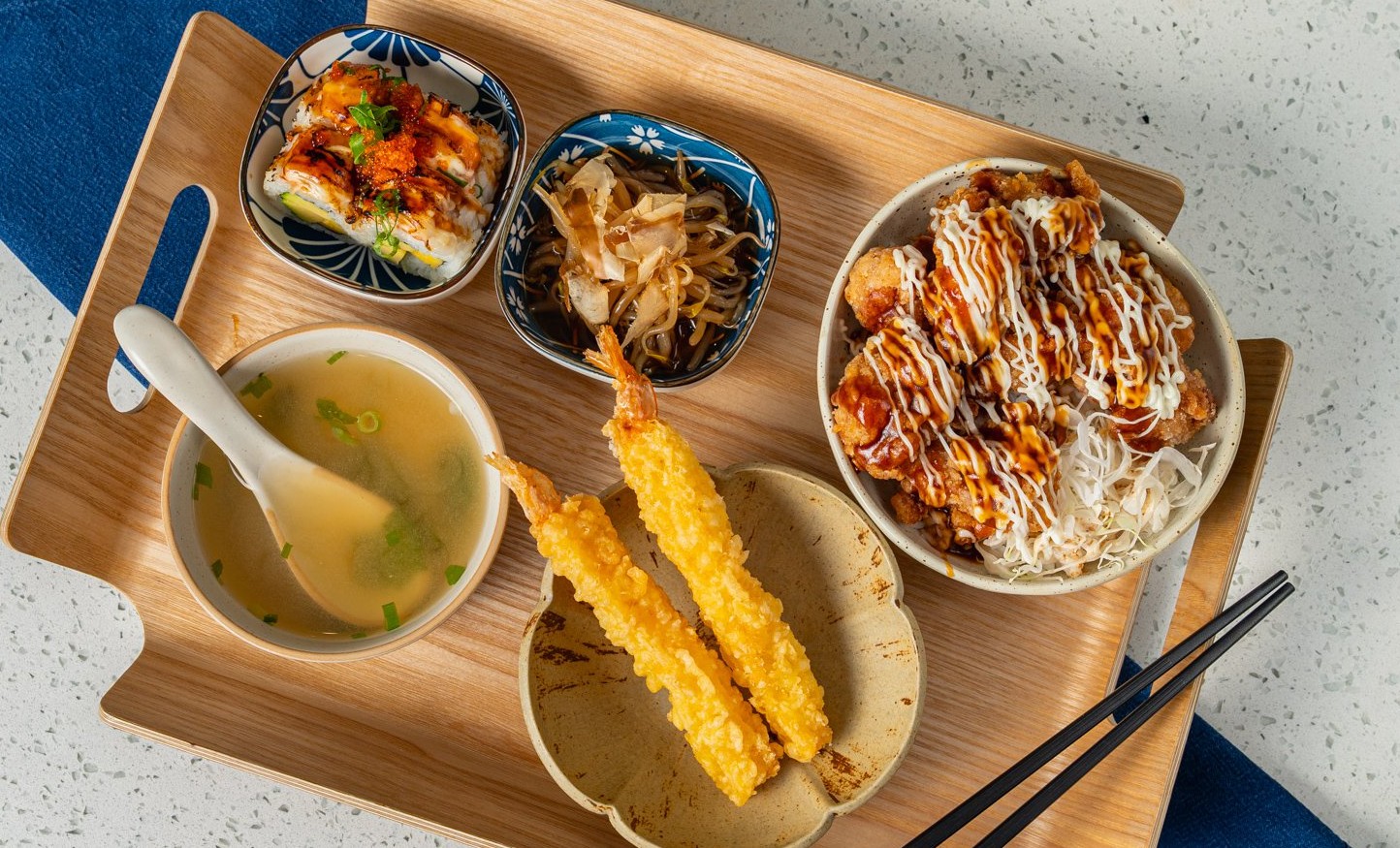
What is tempura? It is a very popular dish both in Japan and worldwide due to its unique texture and taste. Although it is made from simple ingredients such as ice water, flour, and eggs, it boasts a soft and light texture, offering a unique Japanese culinary experience. Additionally, it is very popular due to its versatility and suitability for combining with many ingredients.
What is tempura?
Tempura is a side dish that can be enjoyed with other Japanese dishes, adding variety to the dining experience. It is typically served as a side dish, occasionally as an appetiser, or as a topping for rice or noodles. With a crispy exterior and a soft interior, it offers a variety of textures and an enjoyable eating experience.
However, it can consist of various ingredients, even though the basic ingredients are only ice, water, eggs, and flour. You can also combine vegetables, seafood, or even herbs that will be coated with a crispy batter. Its relatively simple preparation and easily accessible ingredients make it easy to make at home. However, try enjoying tempura at a Japanese restaurant for a better experience and to savour the authentic taste of Japanese cuisine.
What is tempura batter made of?
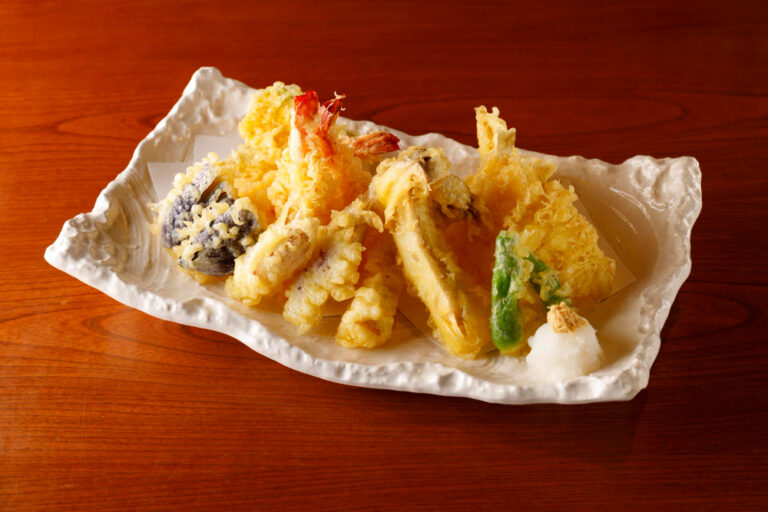
The key to making tempura is the batter. For the inside of the tempura, you can add some vegetables, chicken, or shrimp, but it is essential to coat them in the batter to produce the perfect final texture. However, it is suggested to use low-protein flour to make your tempura more airy and try to use ice water in the preparation to ensure the batter remains light and crispy during the frying process. With these simple ingredients, you can make tempura. Nevertheless, you can be creative and add some additional ingredients, such as vegetables or shrimp, to enhance the flavour and also enhance the nutritional value of the tempura.
What are tempura flakes?
Tempura flakes, also known as tenkasu, are the crispy remnants of tempura batter that break off during the frying process. These little crunchy bits are often sprinkled over various dishes to add extra texture and flavour. You might find tempura flakes used as a topping for soba noodles, rice bowls, or even in soups.
While they may be small, they pack a big punch in terms of taste and crunch. They are typically made from the same batter used to coat the tempura ingredients, so they have the same light and airy texture, adding a delightful contrast to soft or liquid-based dishes.
8 popular types of tempura
1. Kakiage tempura
Kakiage tempura is a type of mixed tempura where thinly sliced vegetables, such as onions, carrots, and sweet potatoes, or even seafood, are combined and fried together in a tempura batter. This type of tempura is often served as a topping on rice bowls or as a side dish. The result is a crispy, slightly sweet mix of flavours and textures.
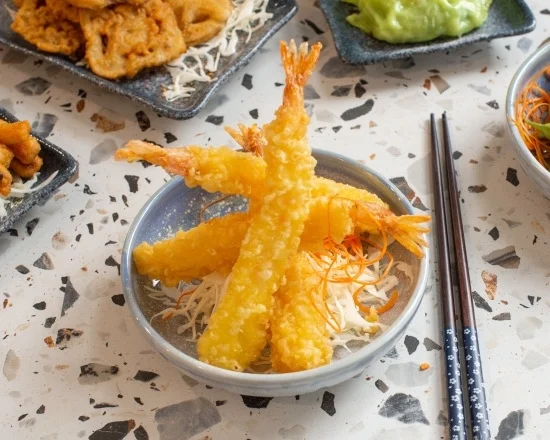
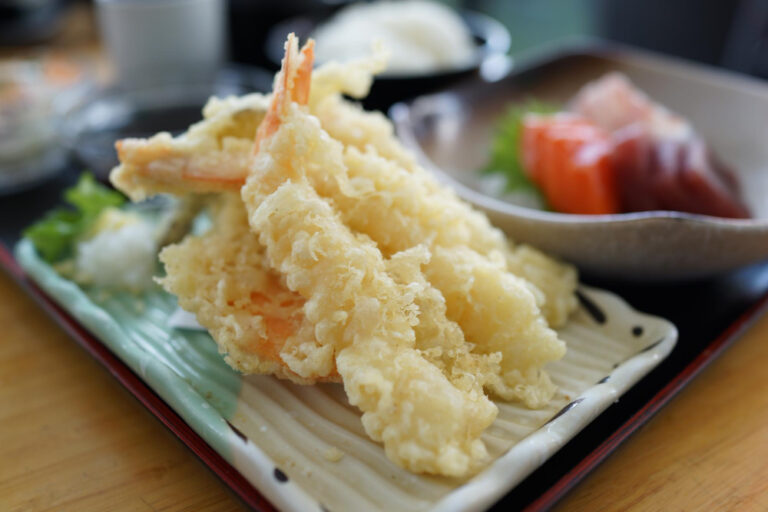
2. Ebi tempura (shrimp tempura)
Shrimp tempura is sometimes the most commonly consumed type of tempura, because tempura blends well with shrimp! Another reason that makes ebi tempura the most popular type is the delicate sweetness of the shrimp, which is also airy, resulting in a soft taste in every bite. Moreover, shrimp tempura is often served with a dipping sauce or as part of a larger meal, such as in tempura donburi (tempura over rice).
3. Vegetable tempura
Tempura is not only suitable for combining with seafood and eggs, but it is also very delicious when consumed with vegetables, making it a vegan option as well. The taste produced by vegetable tempura is not plain if you use sweet potatoes, pumpkin, or zucchini. It offers a sweet flavour and a good texture when consumed.
4. Egg tempura
Egg tempura offers a softer and very light texture when eaten. While the eggs remain creamy and rich, with an airy texture, the batter provides a crispy and crunchy outer layer. It offers a contrasting texture that many people love, making it an ideal side dish or snack.
5. Sakana tempura (fish tempura)
Fish tempura is a non-vegetarian tempura that has a fresh taste derived from the fish. The light batter complements the mild flavours of the fish, making it a popular option in tempura dishes. Fish tempura is often served with a dipping sauce or as part of a tempura platter alongside other seafood or vegetables.
6. Shiso tempura
Shiso tempura is highly recommended for people who love herbs and unique flavours. Not only does it have a distinctive flavour that sets it apart from other types of tempura, but it also has a deeper flavour with a slightly peppery taste.
7. Toriten (chicken tempura)
Chicken tempura, or toriten, is a combination of tempura and pieces of chicken that are lightly battered and fried. The result is a very fresh and juicy flavour in every bite. You can eat it with dipping sauce, which is the best combination for toriten and provides a good balance for tempura.
8. Kakiage donburi
If you are a big fan of Japanese rice bowls, try kakiage donburi, a popular rice dish topped with kakiage tempura. Eating tempura with rice is the best option for lunch if you prefer a light meal that’s also satisfying and hearty.
How to eat tempura
Tempura can be a side dish or topping for noodles or rice, making it a very versatile food that pairs well with almost anything. Moreover, it is also served with sushi, which lends it a soft and fresh texture. Generally, Japanese people eat tempura with a dipping sauce made from soy sauce, dashi, and mirin.
This method not only gives it a distinct flavour, but also provides a good balance between the crispiness of the batter and the natural flavours of the ingredients. You should try this method to experience a more traditional and authentic tempura.
Frequently Asked Questions
What is the difference between tempura and fried food?
The main difference between tempura and regular fried food is the batter. Tempura batter is light and thin, designed to create a crispy and airy texture without making the dish greasy. In contrast, many fried foods use a thicker batter that can sometimes become heavy or greasy. Tempura’s batter is also made with ice-cold water to keep it crisp and delicate.
Is tempura shrimp or fish?
Tempura is not limited to shrimp or fish. While shrimp tempura (ebi tempura) and fish tempura (sakana tempura) are very popular, tempura can be made with a variety of ingredients, including vegetables, chicken, and even herbs like shiso. The key to tempura is the light batter and deep-frying technique.
Is tempura healthier than deep-fried?
Tempura is often considered a lighter option compared to traditional deep-fried food. The batter is thinner, which means it absorbs less oil, resulting in a less greasy product. However, it’s still deep-fried, so it’s important to enjoy it in moderation. For a healthier option, you can also try tempura with vegetables or lean proteins, such as fish or chicken.
Conclusion
Tempura is a delightful Japanese dish known for its crispy texture and variety of ingredients. Whether you’re enjoying shrimp tempura, vegetable tempura, or even the unique shiso tempura, there’s something for everyone to enjoy. Its light batter and fresh ingredients make it a popular choice around the world, perfect for a snack, side dish, or main course.
Ready to dive deeper into Japanese cuisine? Explore more about tempura and other delicious dishes at Shoku Japanese Restaurant!